



There is a small stretch of finger that jewellery tends to forget. The pinky sits quietly at the edge of the hand, usually left bare while the ring finger and index take all the attention. But the pinky ring has a long and quietly stylish history, and it is having a proper moment again. At Chupi, we think there is no better home for a signet than the little finger, which is exactly why we built our Pinky Signet Ring collection around it.
Consider this your guide to Chupi pinky rings: what a signet actually is, why the pinky finger works so well for one, and which piece from this collection suits the story you are trying to tell.
What Is a Signet Ring, Really?
A signet ring is one of the oldest forms of jewellery still worn today, worn for over 5,000 years as a symbol of legacy. Traditionally, it carried a flat or slightly raised face, often engraved with an initial, a crest, or a symbol, and was used to press a seal into wax on letters and documents. Long before signatures were trusted, a signet ring was your mark of identity, and for centuries it was passed from father to son as an heirloom in its own right.
That history is part of why signets still feel significant. A ring that once said "this is who I am" translates beautifully into modern jewellery that says the same thing in a quieter way: a ring that carries your initial, your story, or the people you love.
Why the Pinky Finger Works So Well for a Signet
Signet rings were traditionally worn on the pinky finger of the non-dominant hand, partly for practicality (it kept the seal face clean and ready to use) and partly because the little finger has always carried a bit of symbolism of its own, often linked to communication, family, and close relationships.
Practically speaking, the pinky finger also just makes sense for signets and signet-style rings today:
- It doesn't compete with an engagement or wedding ring. If your ring finger is already spoken for, the pinky gives you a second place to wear something meaningful without disrupting your everyday stack. It's forgiving on proportion.
- A polished band or a small cluster of stones reads beautifully on a smaller finger without feeling oversized.
- It layers well. Pinky rings are made to be stacked, mixed, or worn alone, which makes them one of the easiest ways to build a ring wardrobe over time.
The Chupi Pinky Ring Collection
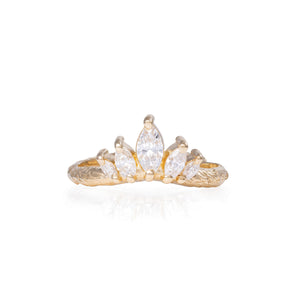
Our Pinky Ring collection takes the tradition of the signet and gives it a Chupi update, with six pieces designed for the little finger. A few are especially suited to celebrating a new baby or a growing family.
Stars in the Sky, in three, four, or five diamonds.
Each polished gold band is set with lab-grown diamonds scattered like stars, and the number of diamonds is the point: choose three for mum, dad, and baby, four once your family grows by one more, or five for a bigger family still. Each diamond can stand for a person, a moment, or a chapter of your story, so the ring effectively grows with your family.
The Never Forget Engraved Signet.
A single word, hand-engraved in solid gold, up to 12 characters long. It is a natural choice for a new baby's name, or a word like "mam," "mum," or "nana" to mark becoming a parent or grandparent.
The Always Remember Family Signet.
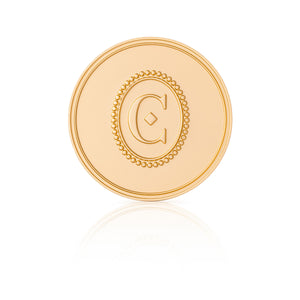
Where the Never Forget Ring holds one word, this piece is built for initials, whether that is your own, your partner's, or each of your children's. In keeping with the signet's history as a piece passed down through generations, it is designed to become a family heirloom from day one.
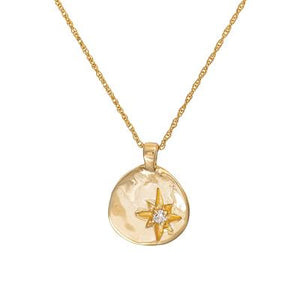
The North Star Original and Tiny Signet.
For a simpler place to start, both carry a single lab-grown diamond as a quiet symbol of guidance, worn alone or as the first piece in a growing pinky stack.
The Little Finger, Reconsidered
Pinky rings, and signets in particular, have always been about identity and meaning worn quietly rather than loudly. Whether you are drawn to the tradition behind a signet, the versatility of a stackable little-finger ring, or a piece that marks the newest chapter of your family, the pinky finger is ready for its close-up.


